
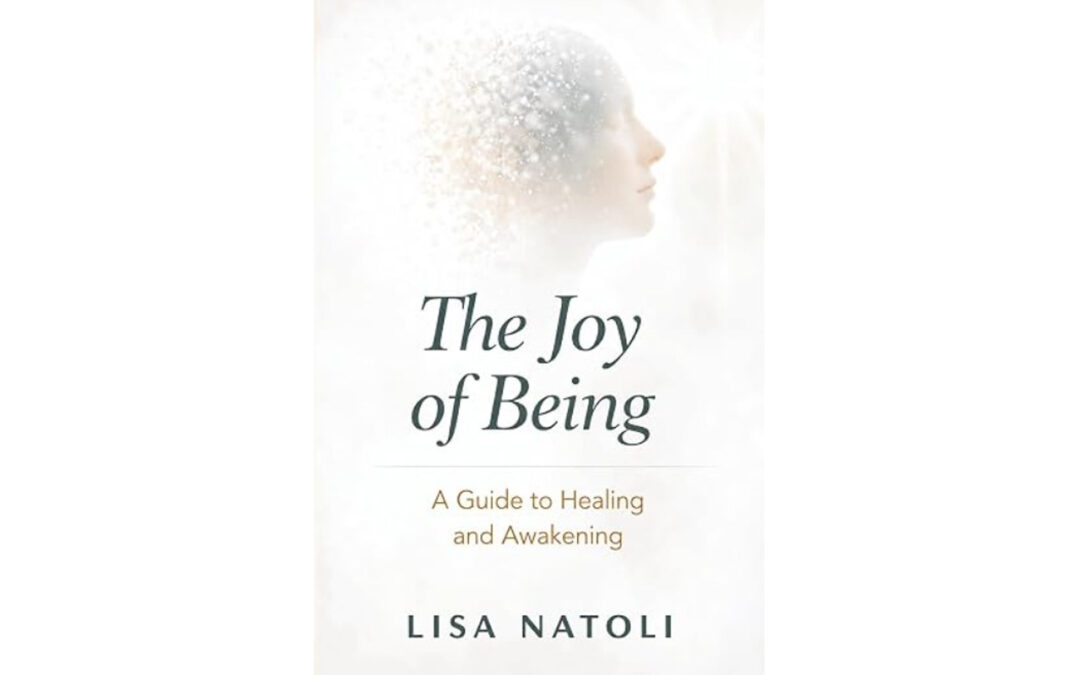
Lisa Natoli has written a beautiful book that shows how to end suffering. In it she shares her own journey and the remarkable way her suffering ended. “Healed” might be a word that people use to describe what happened but, in fact, her body’s suffering left when her mind let go of its unforgiving thoughts.
How did she do that?
In Lesson 189 we are told: “[E]mpty your mind of everything it thinks is either true or false, or good or bad, of every thought it judges worthy, and all the ideas of which it is ashamed. Hold onto nothing. Do not bring with you one thought the past has taught, nor one belief you ever learned before from anything.“ (W 189, 7: 2-4)
But how do we do that? In an engaging and personal way, Lisa explains how it happened in her own life, and how it can happen in ours.
Sometimes when we read the words of the Course, we understand the words, but exactly what they mean in everyday life is not always clear. In fact, the Course recognizes this and says: “Yet what meaning can the words convey to those who count the hours still, and rise and work and go to sleep by them?” (W 169, 9:4) This is why many find the Urtext so beautiful, because the words come across like a personal conversation that hits differently than typically happens when we read a book with titles and headlines and numbered paragraphs.
Lisa‘s story of her own journey hits differently and brings clarity to the most important message of the Course: that our salvation comes not from trying or effort, but from our “beingness.” And although there is no formula to follow for beingness, we can learn from the stories of others.
Thank you, Lisa!